 涓枃绠€浣?/a>銆€|銆€


| China's Film Industry in Retrospective | |
http://english.dbw.cn銆€銆€
2008-12-16 09:16:06
|
|
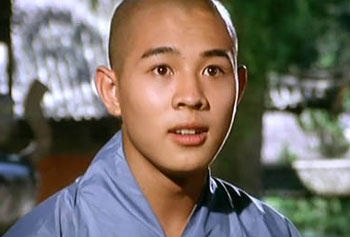 Chinese movies began to attract international attention, and there emerged some highly entertaining works like Jet Li's debut, The Shaolin Temple (1982), which generated movie-going frenzy across the nation. In 1988 Zhang Yimou's directorial debut Red Sorghum won the Golden Bear at the Berlin International Film Festival. This was the first time that a Chinese movie had won a top-class movie award and it was widely recognized as evidence of the rise of Chinese cinema in the international arena. In 1987, in response to the pressure of the box office, China's movie critics realized that they had to reconsider their stand and give more credit to work that they had previously held in contempt as "commercial movies". Since then movie makers have been trying to find a balance between the competing influences of artistic impulse, box office, individuality, and society. In 1993 the authorities implemented a set of measures to reduce administrative interference in the movie studios and break the distribution monopoly held by China Film Group Corporation. This was the first step towards unifying and opening the country's movie market. But the market at the time was weak and theaters were suffering a serious drop in revenues. In order to reverse this gloomy trend, in 1994 the State Administration of Radio, Film and Television (SARFT) gave the go-ahead to China Film Group Corporation to import 10 foreign movies each year; all ticket revenues generated by these movies were to be split among the parties involved in movie making and distribution. As a result Harrison Ford's blockbuster, The Fugitive, arrived in China the same year and raked in 25 million yuan in ticket sales, which was viewed as some kind of miracle. The film's huge success drove Chinese movie makers to replicate this distribution model. As the Chinese market opened to foreign productions, the authorities vowed to support domestic movie making. In 1995 the State Council issued a set of regulations on the administration of films, the first of their kind, stipulating that China's domestic film production should account for a minimum of 2/3 of the total number of movies screened annually. In addition, the authorities stepped up their efforts in funding domestic film making. The money allocated per year has increased from 30 million yuan at the time to a current figure of 120 million yuan. |
|
| Author锛? 銆€銆€銆€Source锛? china.org.cn 銆€銆€銆€ Editor锛? Wu Qiong | |


