 中文简体


| Bali-local culture is the eye catcher | |
http://english.dbw.cn
2011-04-13 11:17:39
|
|
|
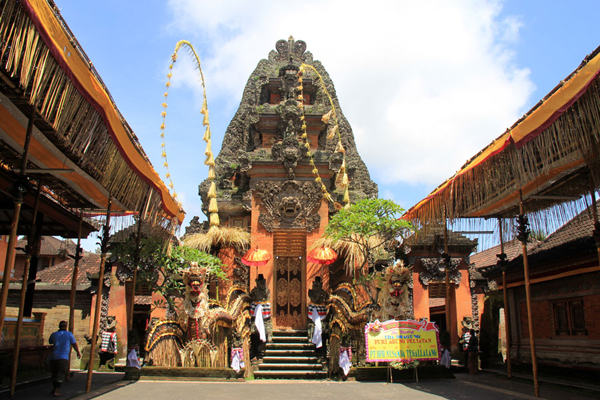
Photo Courtesy of Indonesian Ministry of Culture and Tourism

Photo Courtesy of Indonesian Ministry of Culture and Tourism In fact, with the development of tourism, the local culture has become integrated with the tourism industry more than ever. It has even developed to adjust with the demands of the market. Originally the Balinese performing arts were not performed for entertainment outside of their respective ritual context. Since the 1930s, sacred rituals such as the Barong dance have been performed both in their original contexts, as well as exclusively for paying tourists. Later, many new versions of performing arts have been developed according to the preferences of foreign audiences. The Indonesian embassy put the phenomenon in short: tourism has actually stimulated a more organized development and exposition of the local culture. Communication here is also not difficul for world travelers. Han Jing said except for English, she's also met many people on the island who speak Chinese. The Indonesian Embassy to China noted that this is because of the requirements of the tourism industry and the long period of social contact with the international community. About 80% of Bali's economy depends on tourism. This high dependence raises people's awareness to stimulate themselves to learn and work harder in order to survive in a highly competitive industry. In this regard, China's Hainan province has also much to learn in creating a sound language environment and serving more international tourists in an effort to build an international island. |
|
| Author: Zeng Liang Source: CRI Editor: Wu Qiong |
|


