 中文简体


| Bali-local culture is the eye catcher | |
http://english.dbw.cn
2011-04-13 11:17:39
|
|
|
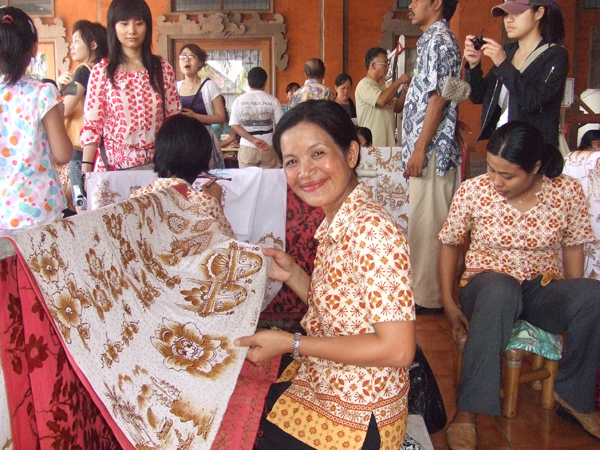
Photo Courtesy of Han Jing
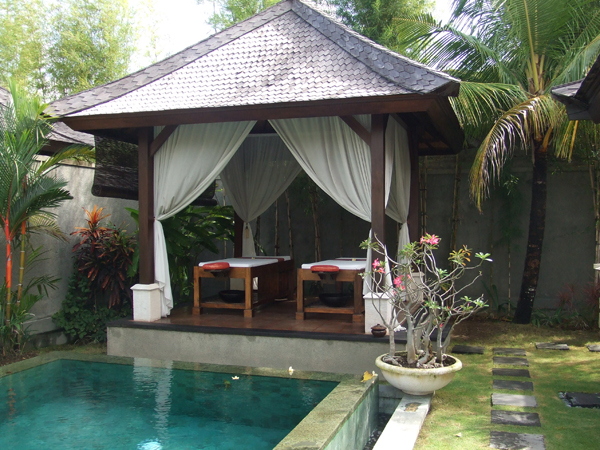
Photo Courtesy of Han Jing It is not an exaggeration that when a Balinese is asked what heaven is like, he would say, just like Bali. They want to live in Bali, to be cremated in Bali when they die, and to reincarnate in Bali. Maybe that's what establishes Bali as it is today, and that's what identifies Balinese as they are now. This is not an island endowed merely with physical beauty as other worldly tropical islands, nor a pure tourist destination visited by millions of people every year. This is an island where local culture prevails and dominates. There is no compromise, no subjugation. Tourism development didn't conquer the island,local people have their say and live their own life. "Sunshine, beaches, tropical plants didn't impress me at all, but the breath of Hinduism and traditional culture refreshed me." Says Han Jing , a white collar worker who constantly travels from one country to another. She has been to many tropical islands before, including Hainan, China's southern most tourist destination. She says the tropical scenery is not much different. But what really makes Bali stand out among the many international tourist islands is the conservation of local culture amid tourist exploration. The culture of Bali is unique. Hinduism has been an important part of Bali's daily life for hundreds of years. The Indonesian Embassy to China says the 3.5 million Balinese duly preserve the good values called 'Tri Hita Karana' of maintaining the balance and harmony; as well as securing stability and dynamic life, not only of the people but also of nature at large. |
|
| Author: Zeng Liang Source: CRI Editor: Wu Qiong |
|


