中文简体


| Japan gov't rebukes nuke plant operator for misinformation, locals told to stay out of evacuation zone | |||
http://english.dbw.cn
2011-03-29 16:19:39
|
|||
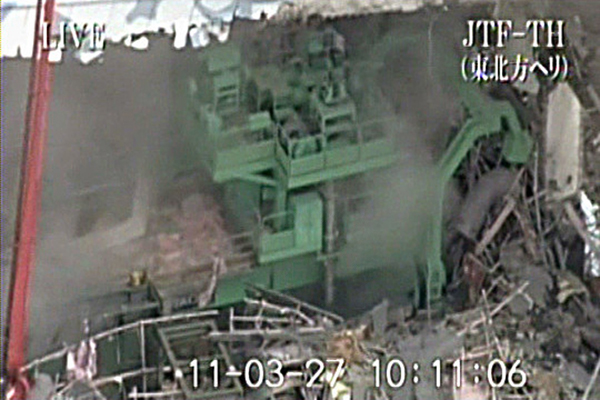
The Chief Cabinet Secretary added that it was essential to ensure the contaminated water does not leak into the soil or the sea and said that the airborne radiation in the No. 2 reactor building is predominantly contained within the structure. Due to the escalating crisis at the power plant located 240 kilometers northeast of Tokyo, Edano said that residents living within the 20 kilometer evacuation zone around the stricken facility should not return home for the time being. His comments came following local media reports saying that some residents had started returning home to collect possessions. "It is very likely that within 20 km from the plant is contaminated and there is a big risk to human health at the moment, " Edano said, adding that residents should remain outside the evacuation zone until told otherwise by the government. TEPCO on Monday continued with work to remove contaminated water from four of the plant's reactors by pumping the water from the basements into the reactors' turbine condensers for storage. But the government's nuclear safety agency said Monday that radioactive iodine-131 more than 1,000 times above the maximum level was detected Sunday in a seawater sample taken around 1.5 kilometers north of the drainage outlets of the plant's four most troubled reactors, suggesting the crisis is still far from over and is spreading. Three workers have been hospitalized following exposure to radiation at the faltering plant since work began to restore cooling systems following the March 11 earthquake and tsunami that devastated the region and damaged the plant. A total of 19 workers have been exposed to radiation exceeding 100 millisieverts at the plant -- the previous legal limit before the government raised it to 250 millisieverts. |
|||
| Author: Source: xinhua Editor: Yang Fan |
|||