中文简体


| Vehicle taxes, heritage protection, Criminal Law top agenda at China's bimonthly legislature session | |||
http://english.dbw.cn
2011-02-24 08:29:14
|
|||
|
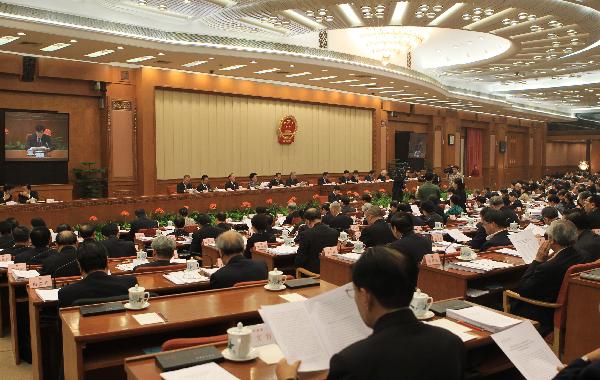
The draft is undergoing its third reading by the Standing Committee of the National People's Congress (NPC) this week. The amendment and two new laws -- one on vehicle and vessel taxes and another on intangible cultural heritage (ICH) protection -- will have their final readings before going to a vote at the Standing Committee session, which opened Wednesday. The top legislature will also deliberate on a report on the removal of the current railway minister and appointment of his replacement during the session. Minister of Railways Liu Zhijun, 58, has been under investigation over alleged "severe violation of discipline" and removed from the post of the ministry's Communist Party chief. During the three-day bimonthly session, lawmakers will review the draft amendment to the Criminal Law, which lays out tougher jail terms for crimes relating to the production and sale of toxic and harmful food. The amendment makes a crime of intentionally defaulting on employees' pay and proposes fines for organizations holding counterfeit invoices. If the amendment is passed, it will bring about the first reduction in the number of crimes subject to the death penalty since the People's Republic of China enacted its Criminal Law in 1979. |
|||
| Author: Source: xinhua Editor: Yang Fan |
|||