涓枃绠€浣?/a>銆€|銆€


| Happy Father's Day | |
http://english.dbw.cn銆€銆€
2010-06-21 09:10:35
|
|
|
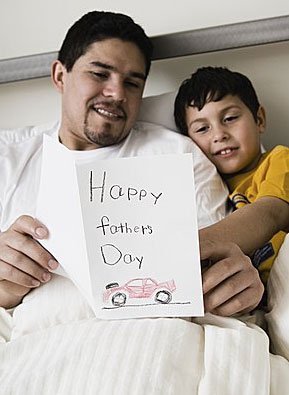
The United States is one of the few countries in the world that has an official day on which fathers are honored by their children. On the third Sunday in June, fathers all across the United States are given presents, treated to dinner or otherwise made to feel special. . The origin of Father's Day is not clear. Some say that it began with a church service in West Virginia in 1908. Others say the first Father's Day ceremony was held in Vancouver, Washington. Regardless of when the first true Father's Day occurred, the strongest promoter of the holiday was Mrs. Bruce John Dodd of Spokane, Washington. She thought of the idea for Father's Day while listening to a Mother's Day sermon in 1909. Sonora wanted a special day to honor her father, William Smart. Smart, who was a Civil War veteran, was widowed when his wife died while giving birth to their sixth child. Mr. Smart was left to raise the newborn and his other five children by himself on a rural farm in eastern Washington state. After Sonora became an adult she realized the selflessness her father had shown in raising his children as a single parent. It was her father that made all the parental sacrifices and was, in the eyes of his daughter, a courageous, selfless, and loving man. In 1909, Mrs. Dodd approached her own minister and others in Spokane about having a church service dedicated to fathers on June 5, her father's birthday. That date was too soon for her minister to prepare the service, so he spoke a few weeks later on June 19th. From then on, the state of Washington celebrated the third Sunday in June as Father's Day. Children made special desserts, or visited their fathers if they lived apart. In early times, wearing flowers was a traditional way of celebrating Father's Day. Mrs. Dodd favored the red rose to honor a father still living, while a white flower honored a deceased dad. J.H. Berringer, who also held Father's Day celebrations in Washington State as early as 1912, chose a white lilac as the Father's Day Flower. States and organizations began lobbying Congress to declare an annual Father's Day. In 1916, President Woodrow Wilson approved of this idea, but it was not until 1924 when President Calvin Coolidge made it a national event to "establish more intimate relations between fathers and their children and to impress upon fathers the full measure of their obligations." Since then, fathers had been honored and recognized by their families throughout the country on the third Sunday in June. In 1966 President Lyndon Johnson signed a presidential proclamation declaring the 3rd Sunday of June as Father's Day and put the official stamp on a celebration that was going on for almost half a century. When children can't visit their fathers or take them out to dinner, they send a greeting card. Traditionally, fathers prefer greeting cards that are not too sentimental. Most greeting cards are whimsical(濂囧舰鎬姸鐨勶紝寮傛兂澶╁紑鐨?so fathers laugh when they open them. Some give heartfelt thanks for being there whenever the child needed Dad. 鐖朵翰鑺傦紙father's day锛夌畝浠?/strong> 6鏈堢殑绗笁涓槦鏈熸棩鏄埗浜茶妭銆傜浉瀵逛簬姣嶄翰鑺傦紝鐖朵翰鑺傛槸浜轰滑姣旇緝闄岀敓鐨勪竴涓妭鏃ワ紝鏄?910骞村湪缇庡浗鍗庣洓椤垮窞鐨勫+娉㈣偗甯傜敱鏉滃痉澶お鍙戣捣鐨勩€?/span> 鑰屾垜鍥界殑鐖朵翰鑺傝捣婧愶紝瑕佽拷婧埌鍥芥皯鏃朵唬銆傛皯鍥戒笁鍗佸洓骞寸殑鍏湀鍏棩锛屼笂娴烽椈浜烘墍鍙戣捣浜嗗簡绁濈埗浜茶妭鐨勬椿鍔紝甯傛皯绔嬪嵆鍝嶅簲锛岀儹鐑堜妇琛屽簡绁濇椿鍔ㄣ€傛姉鏃ユ垬浜夎儨鍒╁悗锛屼笂娴峰競鍚勭晫鍚嶆祦浠曠粎锛岃仈鍚嶈涓婃捣甯傛斂搴滆浆鍛堜腑澶斂搴滐紝瀹氣€滅埜鐖糕€濊皭闊崇殑鍏湀鍏棩涓哄叏鍥芥€х殑鐖朵翰鑺傘€?/span> 铏界劧浠婃棩涓€鑸汉瀵逛簬鐖朵翰鑺傜殑搴嗙娲诲姩锛屼笉鍍忓姣嶄翰鑺備竴鑸殑閲嶈涓庣儹闂癸紝浣嗘槸涓婂笣鍦ㄥ湥缁忎腑鏁欏鎴戜滑瀵逛簬鐖舵瘝鐨勫叧鐖卞嵈鏄竴鑷寸殑锛屽綋姣嶄翰鍚緵鑼硅嫤鍦扮収椤炬垜浠椂锛岀埗浜蹭篃鍦ㄥ姫鍔涘湴鎵紨鐫€涓婂笣鎵€璧嬩簣浠栫殑娓╂煍瑙掕壊锛涙垨璁稿綋鎴戜滑鍔姏鎬濊€冪潃璇ヤ负鐖朵翰涔颁粈涔堟牱鐨勭ぜ鐗╄繃鐖朵翰鑺備箣鏃讹紝涓嶅Θ鍙嶇渷涓€涓嬶紝鎴戜滑鏄惁鐖辨垜浠殑鐖朵翰锛屽儚浠栨浘涓烘垜浠棤绉佸湴浠樺嚭涓€鐢熷憿锛?/span> 涓栫晫鍚勫湴鐖朵翰鑺傛棩鏈?/strong> 2鏈?3鏃ワ細淇勭綏鏂?/span> 3鏈?9鏃ワ細姣斿埄鏃躲€佹剰澶у埄銆佽憽钀勭墮銆佽タ鐝墮(鍦g害鐟熸棩) 5鏈?鏃ワ細闊╁浗(鍙屼翰鑺? 5鏈?8鏃ワ細寰峰浗(鑰剁ǎ鍗囧ぉ鑺? 6鏈?鏃ワ細涓归害 6鏈堢涓€涓槦鏈熸棩锛氱珛闄跺疀 6鏈堢浜屼釜鏄熸湡鏃ワ細濂ュ湴鍒┿€佹瘮鍒╂椂 6鏈堢涓変釜鏄熸湡鏃ワ細闃挎牴寤枫€佸姞鎷垮ぇ銆佹櫤鍒┿€佷腑鍥藉ぇ闄嗐€佸摜浼︽瘮浜氥€佸摜鏂揪榛庡姞銆佸彜宸淬€佸巹鐡滃灏斻€佹硶鍥姐€佷腑鍥介娓€佸嵃搴︺€佺埍灏斿叞銆佹棩鏈€佷腑鍥芥境闂ㄣ€侀┈鏉ヨタ浜氥€侀┈鑰充粬銆佸ⅷ瑗垮摜銆佽嵎鍏般€佸反鍩烘柉鍧︺€佸反鎷块┈銆佺椴併€佽彶寰嬪銆佹柊鍔犲潯銆佹柉娲涗紣鍏嬨€佸崡闈炪€佺憺澹€佸湡鑰冲叾銆佽嫳鍥姐€佺編鍥姐€佸鍐呯憺鎷夈€佹触宸村竷闊?/span> 6鏈?0鏃ワ細淇濆姞鍒╀簹 6鏈?3鏃ワ細灏煎姞鎷夌摐銆佹尝鍏?/span> 7鏈堟渶鍚庝竴涓槦鏈熸棩锛氬绫冲凹鍔犲叡鍜屽浗 8鏈?鏃ワ細涓浗鍙版咕 8鏈堢浜屼釜鏄熸湡鏃ワ細宸磋タ 9鏈堢涓€涓槦鏈熸棩锛氭柊瑗垮叞銆佹境澶у埄浜?/span> 11鏈堢浜屼釜鏄熸湡鏃ワ細鐖辨矙灏间簹銆佽姮鍏般€佹尓濞併€佺憺鍏?/span> 12鏈?鏃ワ細娉板浗锛堟櫘瀵嗚摤路闃挎潨寰峰浗鐜嬬殑鐢熸棩锛?/span>
|
|
| Author锛? 銆€銆€銆€Source锛? 鑵捐 銆€銆€銆€ Editor锛? Wu Qiong | |